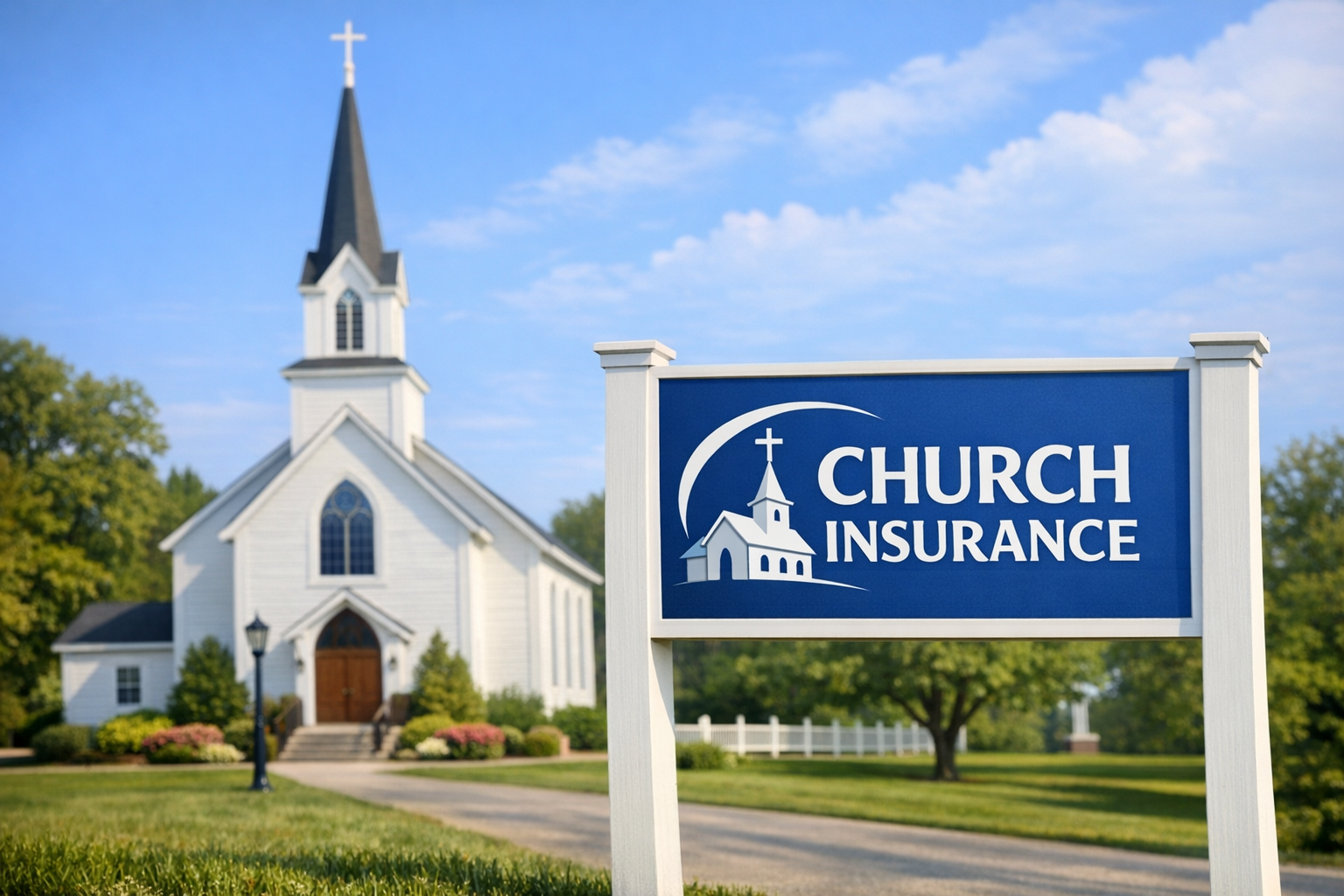
Many people may wonder why churches need insurance. Like any organization, churches face unique risks every day. While faith is central to their mission, practical protection remains essential. In today’s world, unexpected events can disrupt church activities or cause financial loss. Church insurance helps religious organizations safeguard their resources, staff, and congregation. Because churches serve as gathering places, they are responsible for the safety and well-being of many people. Understanding church insurance is crucial for leaders and members alike. Now, let’s explore what church insurance is and why it matters.
Understanding the Basics of Church Insurance Coverage
Church insurance is a specialized form of insurance that protects religious organizations against a range of risks. While most people think of insurance for businesses or homes, churches also need coverage due to their unique roles in the community. By having insurance, churches can continue their mission even when unexpected problems arise.
Every church is different, so its insurance needs can vary significantly. Some churches may own large properties, while others rent small spaces. No matter the size, all churches face potential threats such as property damage, accidents, and legal claims. Insurance helps ensure that even small congregations have financial protection.
In addition, church insurance policies are designed specifically to address the challenges faced by religious groups. Unlike standard business policies, these plans often include coverages tailored to church operations. For example, coverage might protect against claims resulting from counseling services or religious events. Therefore, understanding the basics of church insurance helps leaders make informed decisions.
Key Types of Insurance Needed by Churches
Property insurance is one of the most important types of coverage for churches. Not only does it protect buildings, but it also covers valuable items such as pews, sound systems, and instruments. When a fire or storm causes damage, property insurance helps churches recover quickly.
Liability insurance is another crucial form of protection. Because churches welcome visitors for services, weddings, and other events, accidents can happen at any time. Liability insurance covers legal costs and medical expenses if someone is injured on church property.
Many churches also need additional policies, such as coverage for vehicles used in church activities or insurance for church employees. Each type of insurance addresses specific risks, so leaders should carefully review what coverage they need. By having the right policies, churches can protect their people and resources.
Common Risks Faced by Religious Organizations
Religious organizations face a range of risks that can interrupt their mission. One major risk is property damage caused by fire, storms, or vandalism. Because churches often own historic or unique buildings, repair costs can be high.
Personal injury is another common risk. When people gather in large numbers, accidents such as slips and falls may occur. Frequently, churches host community events that increase the chance of someone getting hurt.
Churches also face legal risks related to their staff, volunteers, and counseling services. Allegations of misconduct or discrimination can lead to lawsuits and reputational harm. For these reasons, insurance provides essential financial support and peace of mind for church leaders and members.
Steps to Choose the Right Church Insurance Policy
First, church leaders should assess their specific needs by making a detailed list of assets and potential risks. Next, they should consult with insurance professionals who understand religious organizations. Working with an expert ensures the church gets proper coverage for its unique activities and property.
After gathering information, leaders should compare multiple insurance quotes and policy details. Important factors to consider include coverage limits, deductibles, and exclusions. By carefully reviewing each policy, churches can avoid gaps in protection.
Finally, an ongoing review is essential because the church’s needs may change over time. Regularly updating insurance policies allows churches to stay covered as their mission grows. With the right approach, churches can make smart insurance choices and focus on serving their community.
Benefits of Comprehensive Insurance for Churches
Comprehensive insurance offers many benefits to churches, starting with financial protection. When unexpected events happen, insurance covers repair costs and legal fees. This means churches can recover quickly and continue serving their members.
Insurance also helps churches maintain trust with their congregations and the community. Knowing that the church takes safety and protection seriously can encourage more people to participate in activities. Additionally, insurance coverage for counseling and outreach programs helps churches expand their mission with confidence.
By having all risks covered, church leaders can focus on ministry without constant worry. Comprehensive insurance provides peace of mind, allowing leaders and volunteers to focus on what matters most. In the end, insurance helps churches thrive in both good times and challenging situations.
Conclusion
Church insurance plays a vital role in the sustainability of religious organizations. Because churches face risks just like any other institution, having the right insurance policy brings security and confidence. Leaders should always make informed decisions by understanding their unique needs and carefully reviewing available coverage options. By working closely with insurance professionals, churches can find policies that match their activities and property. Regularly updating coverage ensures that churches stay protected as they grow and their needs change. Comprehensive insurance supports the church’s mission by helping leaders focus on ministry rather than worry. churches demonstrate care for their people and their mission.